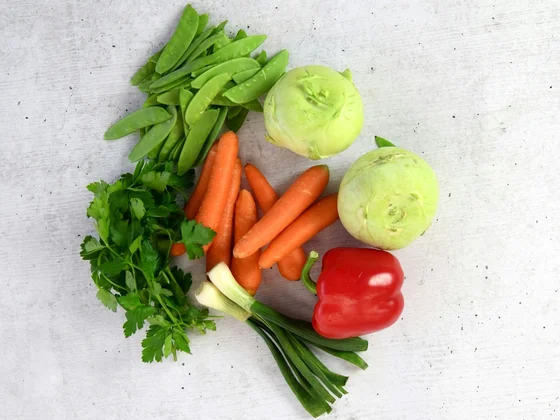
Prebiotics feed the microbiome
Prebiotics are specialised dietary fibres that selectively nourish beneficial bacteria in the gut. Chemically, many of them belong to the group of non-digestible oligosaccharides, including inulin and fructooligosaccharides (FOS).3
Because the human digestive system cannot break down these carbohydrates in the small intestine, they reach the colon intact. There, beneficial bacteria such as Bifidobacteria and Lactobacilli ferment them and use them as an energy source.3
This selective fermentation helps beneficial bacterial populations grow and increases the production of short-chain fatty acids, supporting digestion, microbial balance and overall gut health.3

Gut balance and physical performance
Emerging research suggests that microbiome composition may also influence physical performance. A balanced microbial ecosystem can improve the bioavailability of nutrients, support immune defence during intensive training and help maintain metabolic efficiency.1,4
Studies indicate that increased microbial diversity in athletes can lead to improved nutrient utilization, potentially supporting superior endurance performance. While the field is still evolving, the biochemical interaction between diet, microbiota and host metabolism is becoming increasingly clear.4
Synbiotic concepts are gaining momentum
One of the most promising approaches in functional nutrition is the concept of synbiotics, which combine probiotics and prebiotic fibres in one system.2
Probiotics introduce beneficial microorganisms, while prebiotic fibres provide the fermentable substrate that supports their growth. This combination creates a more stable and active microbial environment in the gut.2
For product developers, synbiotic formulations offer an interesting opportunity to design foods and beverages that actively support microbiome resilience while aligning with growing consumer interest in gut health.
Prebiotic fibres can be integrated into many food and beverage formulations to support microbiome balance and functional positioning. Our portfolio includes a range of ingredients that help translate microbiome research into practical product concepts.
The insights presented in this article are based on the following scientific publications:
1 Valencia et al. 2025: Human Gut Microbiome: A Connecting Organ Between Nutrition, Metabolism, and Health. doi: https://doi.org/10.3390/ijms26094112
2 Al-Habsi et al. 2024: Health benefits of preiotics, probiotics, synbiotics and postbiotics. doi: https://doi.org/10.3390/nu16223955
3 Yang et al. 2022: Effects of dietary fiber on human health. doi: https://doi.org/10.1016/j.fshw.2021.07.001
4 Chen et al. 2024: Dietary Patterns, Gut Microbiota and Sports Performance in Athletes: A Narrative Review. doi: https://doi.org/10.3390/nu16111634